The Best Practices for Operating Your Welding Electrode Oven Safely
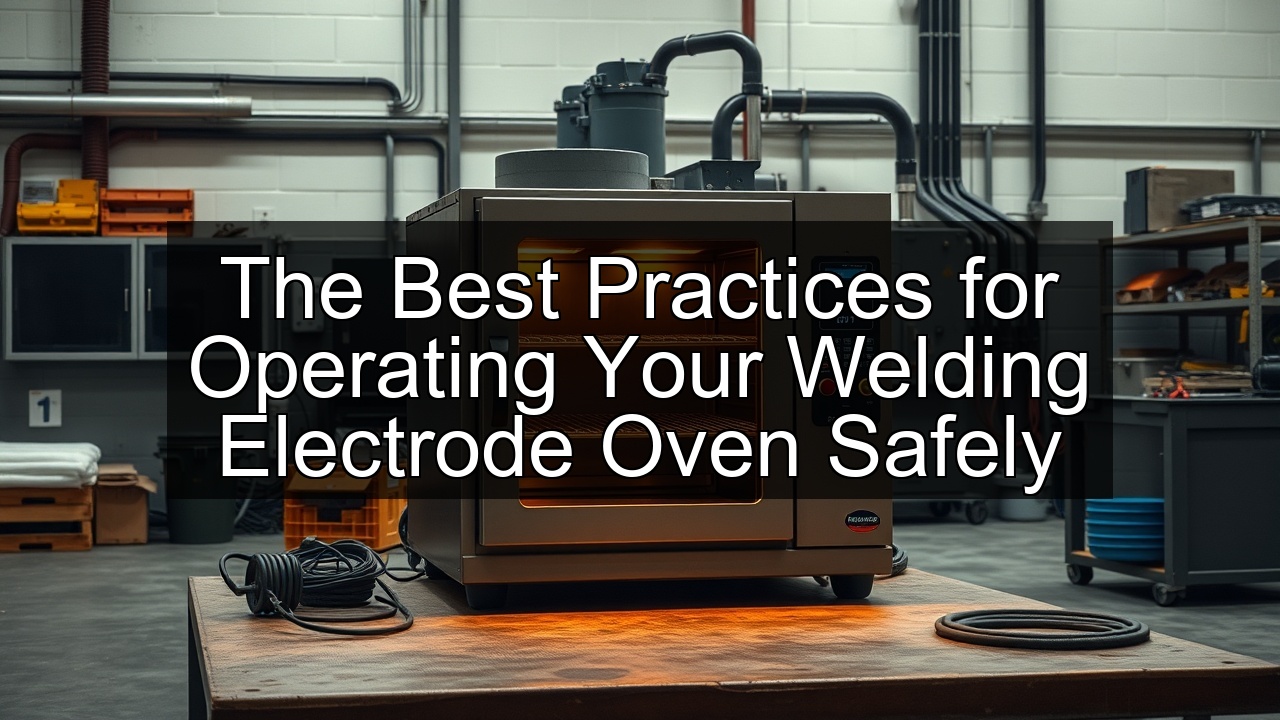
Understanding the Importance of Welding Electrode Ovens
Role of Welding Electrode Ovens in Quality Welds
Welding electrode ovens play a crucial role in ensuring high-quality welds. By maintaining the right temperature and humidity levels, these ovens preserve the integrity of electrodes, which directly impacts the performance of the welds. Electrodes, especially those used in processes like TIG (Tungsten Inert Gas) welding, require specific storage conditions to prevent moisture absorption. Moisture can lead to porosity in welds, resulting in weak joints and compromised structural integrity. A welding electrode oven effectively removes moisture and keeps electrodes dry, which is vital for producing strong, clean welds. Therefore, investing in a reliable welding electrode oven significantly enhances the quality of the final product.
Impact of Humidity on Electrode Performance
Humidity significantly affects the performance of welding electrodes. High humidity can cause electrodes to absorb moisture, leading to issues during the welding process. Electrodes that contain flux, such as those used for stick welding, are particularly susceptible to moisture damage. When moisture mixes with the flux during the welding process, it can create steam, resulting in porosity and weak welds. This not only diminishes the quality of the weld but can also create safety hazards. Therefore, using a welding electrode oven ensures that electrodes remain dry and maintain optimal performance, preventing moisture-related issues and ensuring reliable welds.
Choosing the Right Oven for Your Needs
Selecting the appropriate welding electrode oven involves understanding your specific requirements. Consider factors like the type of welding you perform, the volume of work, and the types of electrodes you use. For instance, if you primarily work with high-humidity materials, a high-capacity oven capable of accommodating 450lb of electrodes may be necessary. Additionally, assess the features offered by various manufacturers, welding electrode drying oven such as temperature controls and automated drying cycles. Brands like Lincoln Electric provide robust options tailored for different applications. Ultimately, choosing the right oven enhances operational efficiency and ensures consistent weld quality.
Best Practices for Operating Your Welding Electrode Oven
Pre-Operational Checks and Maintenance
Before using a welding electrode oven, conduct thorough pre-operational checks. Start by verifying that the oven is clean and free from any debris or residue from previous use. Inspect the heating elements and ensure that they function correctly. Check temperature settings to confirm they align with the specifications for the electrodes being used. Regular maintenance is also crucial. Clean the interior surfaces periodically to prevent the buildup of contaminants that could affect performance. Additionally, maintain the oven's electrical components, including wiring and connections, to ensure operational safety and efficiency. Following these practices helps maintain the oven's reliability and extends its lifespan.
Temperature Settings for Different Electrode Types
Understanding the appropriate temperature settings for various electrode types is essential for optimal performance. Different electrodes require specific drying temperatures to maintain their integrity. For example, low-hydrogen electrodes, commonly used in critical applications, typically need a drying temperature of around 250°F to 300°F. Conversely, other types, such as cellulosic electrodes, may require higher temperatures. Always refer to the manufacturer's specifications for the electrodes to determine the ideal settings. Proper temperature management prevents overheating and ensures that the electrodes are effectively dried without losing their flux characteristics, ultimately resulting in improved weld quality.
Loading and Unloading Techniques for Safety
Safe loading and unloading techniques are vital when operating a welding electrode oven. Always wear appropriate personal protective equipment (PPE) to protect against potential hazards, such as burns or electrical shock. When loading electrodes into the oven, ensure that they are organized to allow even airflow, which promotes efficient drying. Avoid overcrowding the oven, as this can lead to uneven heating. When unloading, use heat-resistant gloves and allow the electrodes to cool down before handling them. Proper technique minimizes the risk of accidents and injuries, making the operation safer and more effective.
Safety Considerations When Using Welding Electrode Ovens
Personal Protective Equipment (PPE) for Operators
Using welding electrode ovens requires strict adherence to safety protocols, starting with the use of personal protective equipment (PPE). Operators should wear heat-resistant gloves to protect their hands from burns when handling hot electrodes. Safety goggles or face shields are essential to protect the eyes from potential sparks or debris during operation. Additionally, flame-resistant clothing can provide an extra layer of safety. Proper footwear, such as steel-toed boots, can help prevent injuries from heavy equipment. By equipping yourself with the right PPE, you minimize the risk of accidents and ensure a safer working environment when operating welding electrode ovens.
Identifying and Mitigating Hazards
Identifying potential hazards associated with welding electrode ovens is crucial for maintaining a safe workspace. Common hazards include electrical risks, exposure to high temperatures, and potential fire hazards. Regularly inspect the oven for any signs of wear or malfunction, such as frayed wires or malfunctioning controls. Ensure that the area around the oven is free from flammable materials and that proper ventilation exists to dissipate heat and fumes. Establishing clear protocols for safe operation helps mitigate these risks. Training employees on recognizing hazards and implementing safety measures fosters a culture of safety within the workplace.
Emergency Procedures in Case of Malfunction
Having well-defined emergency procedures in place is essential when operating welding electrode ovens. Operators should know the steps to take in case of equipment malfunction or fire. This includes having access to fire extinguishers rated for electrical fires and knowing how to use them. Ensure that all employees are familiar with the emergency shut-off procedures for the oven. Conduct regular drills to familiarize staff with evacuation routes and emergency contacts. Additionally, maintain a log of any incidents, malfunctions, or repairs to track patterns and improve safety protocols. A proactive approach to emergencies enhances overall safety and preparedness in the workplace.
Choosing the Right Brand and Model for Your Needs
Top Brands: Lincoln Electric and Others
Choosing the right brand and model of welding electrode oven can significantly impact operational efficiency and weld quality. Lincoln Electric stands out as a leading manufacturer, offering a wide range of welding equipment, including highly regarded electrode ovens. Other reputable brands include Miller Electric and Hobart, each providing various models that cater to different welding needs. When selecting a brand, consider the reliability and reputation within the industry. Research customer feedback and performance reviews to make informed decisions. Opting for a trusted brand ensures you receive a quality product that meets your specific requirements.
Understanding Oven Specifications: Capacity and Features
Understanding the specifications of welding electrode ovens is crucial for selecting the right model. Key factors to consider include the oven's capacity, which can range significantly based on your welding needs. For instance, a 450lb capacity oven may suit high-demand environments, while smaller models work well for less intensive applications. Evaluate the features offered, such as digital controls, timer settings, and energy efficiency ratings. Some models may include automated drying cycles, which enhance convenience. By aligning your needs with the oven's specifications, you can choose a model that optimizes performance and efficiency.
Customer Reviews and Recommendations
Customer reviews and recommendations provide invaluable insights when selecting a welding electrode oven. Research online platforms and forums where users share their experiences with various brands and models. Pay attention to feedback regarding performance, durability, and ease of use. Direct recommendations from industry colleagues can also guide your decision-making process. Consider the specific needs of your operation and identify which ovens consistently receive positive feedback. By leveraging customer insights, you can make a more informed choice and invest in a welding electrode oven that meets your needs and expectations.
See Also
- The Future of Welding Technology and the Rise of Advanced Electrode Ovens
- Troubleshooting Common Issues with Welding Electrode Ovens
- A Beginner's Guide to Electrode Ovens and Their Importance in Welding
- The Science Behind Welding Electrode Storage and Drying Techniques
- How Lincoln Electric's Electrode Ovens Stand Out in the Market