Vacuum Seals Made from Rubber for Efficient Paper Processing
The Role of Rubber Products in the Pulp & Paper Industry
Overview of Rubber Applications
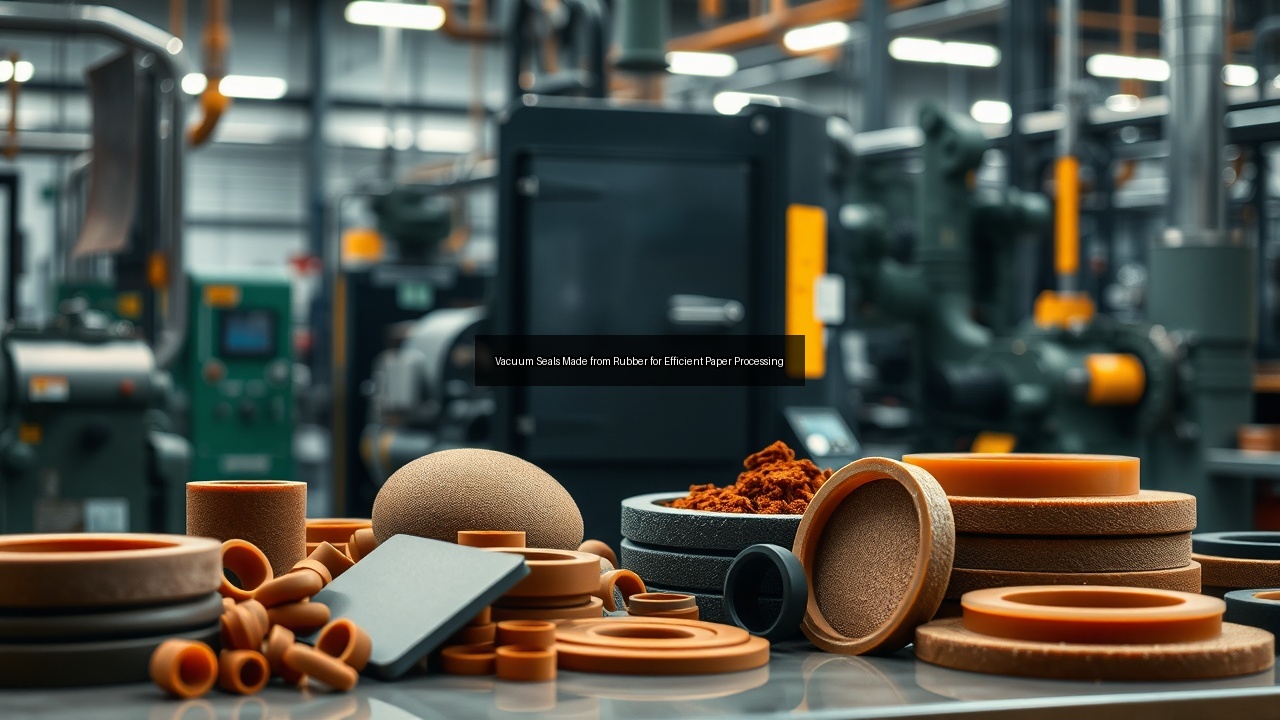
Rubber products play a crucial role in the pulp and paper industry, enhancing efficiency and operational effectiveness. These products serve various functions, from sealing to cushioning, thereby ensuring that the machinery operates smoothly and reliably. Rubber gaskets and stoppers, for instance, protect sensitive areas from contamination and maintain the integrity of the processing environment. The adaptability of rubber allows it to withstand the rigors of the production process, including exposure to heat, moisture, and various chemicals. Manufacturers rely on rubber products to maintain seamless operations, reduce downtime, and improve product quality. The versatility of these materials makes them indispensable in handling the massive volumes of pulp and paper produced daily.
Importance of Gaskets and Stoppers
Gaskets and stoppers form rubber products for paper industry the backbone of sealing solutions in the pulp and paper industry. They prevent leaks and maintain vacuum integrity, which is vital for efficient processing. Rubber gaskets provide a reliable barrier between different components, ensuring that air and moisture do not compromise the production line. Stoppers, on the other hand, are essential for isolating sections of machinery when needed. By preventing unwanted airflow and maintaining pressure, these rubber products enhance the overall efficiency of the vacuum systems used in paper processing. Effective sealing translates to lower operational costs and improved product quality, cementing the importance of rubber gaskets and stoppers in this industry.
Types of Rubber Used in Vacuum Seals
Natural Rubber vs. Synthetic Rubber
Natural rubber and synthetic rubber each have unique properties that make them suitable for different applications in the pulp and paper industry. Natural rubber, derived from the sap of rubber trees, is known for its excellent elasticity and resilience. It performs well in applications that require flexibility and durability. However, natural rubber may not withstand harsh chemicals found in some processing environments. In contrast, synthetic rubber, including types like EPDM, provides superior chemical resistance and thermal stability. The choice between natural and synthetic rubber depends on the specific requirements of the vacuum sealing application and the working conditions. Manufacturers often analyze the operational environment to select the most appropriate material for gaskets and stoppers.
EPDM: Ethylene Propylene Diene Monomer Rubber
EPDM, or Ethylene Propylene Diene Monomer rubber, has gained popularity in the pulp and paper industry due to its outstanding properties. This synthetic rubber offers excellent resistance to heat, ozone, and various chemicals, making it a preferred choice for vacuum seals in challenging environments. EPDM gaskets and stoppers effectively withstand the rigors of high-temperature applications while maintaining their sealing capabilities. The material's flexibility and durability mean it can endure repeated cycles of compression and expansion without losing its effectiveness. As a result, EPDM contributes significantly to the reliability of vacuum systems within paper processing plants, reducing the likelihood of leaks and ensuring consistent performance.
Advantages of Rubber in Harsh Chemical Environments
Rubber products must often contend with harsh chemicals in the pulp and paper industry. The ability of rubber to resist these chemicals is paramount for ensuring the longevity and effectiveness of sealing solutions. Various rubber compounds are engineered to withstand corrosive substances, thereby preventing degradation and ensuring a longer service life. This chemical resistance minimizes maintenance needs and helps avoid costly downtime caused by seal failures. Additionally, rubber's inherent flexibility allows it to conform to surfaces, creating an effective seal even in imperfect conditions. The strategic use of rubber products, especially those designed for chemical resilience, enhances production efficiency while maintaining safety standards.
Design and Functionality of Vacuum Seals
Innovative Designs for Efficiency
Innovative designs in rubber vacuum seals contribute significantly to operational efficiency in the pulp and paper industry. Engineers continually explore new geometries and materials to enhance the performance of gaskets and stoppers. Advanced design techniques, such as computer-aided design (CAD), allow for the precise modeling of rubber components, enabling manufacturers to optimize thickness, shape, and material characteristics. These innovations result in seals that provide superior performance, ensuring airtight connections that enhance vacuum integrity. Furthermore, streamlined designs reduce wear and tear on machinery, leading to longer service intervals and lower replacement costs. The focus on innovation ensures that rubber seals meet the evolving demands of modern paper processing.
How Vacuum Systems Enhance Paper Processing
Vacuum systems play a pivotal role in the efficiency of paper processing by aiding in the removal of excess moisture and ensuring consistent product quality. These systems rely heavily on effective sealing solutions, such as rubber gaskets and stoppers, to maintain optimal vacuum levels. A well-functioning vacuum system allows for faster drying times and improved fiber bonding, which are critical for producing high-quality paper products. Additionally, maintaining a stable vacuum environment reduces energy consumption, contributing to a more sustainable operation. By leveraging the advantages of rubber products in vacuum systems, manufacturers can achieve significant gains in productivity and resource efficiency in the pulp and paper industry.
Challenges and Solutions in Rubber Sealing
Common Issues with Rubber Stoppers and Gaskets
Despite their many advantages, rubber stoppers and gaskets face several challenges in the pulp and paper industry. Common issues include wear from constant movement, exposure to extreme temperatures, and degradation from harsh chemicals. These factors can lead to leaks, reduced sealing performance, and pulp and paper industry rubber products ultimately, production downtime. Identifying these challenges is critical for maintaining operational efficiency. Regular inspections can help detect early signs of wear or damage, allowing for timely replacements. Understanding the limitations of different rubber types is essential for preventing seal failures that could disrupt the production process.
Maintenance and Replacement Strategies
Implementing effective maintenance and replacement strategies ensures the longevity of rubber products in sealing applications. Establishing a regular maintenance schedule allows operators to monitor the condition of gaskets and stoppers closely. When deterioration is detected, proactive replacement can prevent more extensive issues pulp and paper industry rubber products down the line. Training staff to recognize the signs of seal fatigue can also improve operational reliability. Furthermore, investing in high-quality rubber materials specifically designed for the pulp and paper industry minimizes the risk of premature failure. By prioritizing maintenance and using robust rubber products, manufacturers can enhance the durability of their vacuum sealing solutions and maintain uninterrupted production.