The Future of Custom Rubber Molding in Sustainable Manufacturing Practices
Innovations in Custom Rubber Molding Technologies
Advancements in Injection Molding Techniques
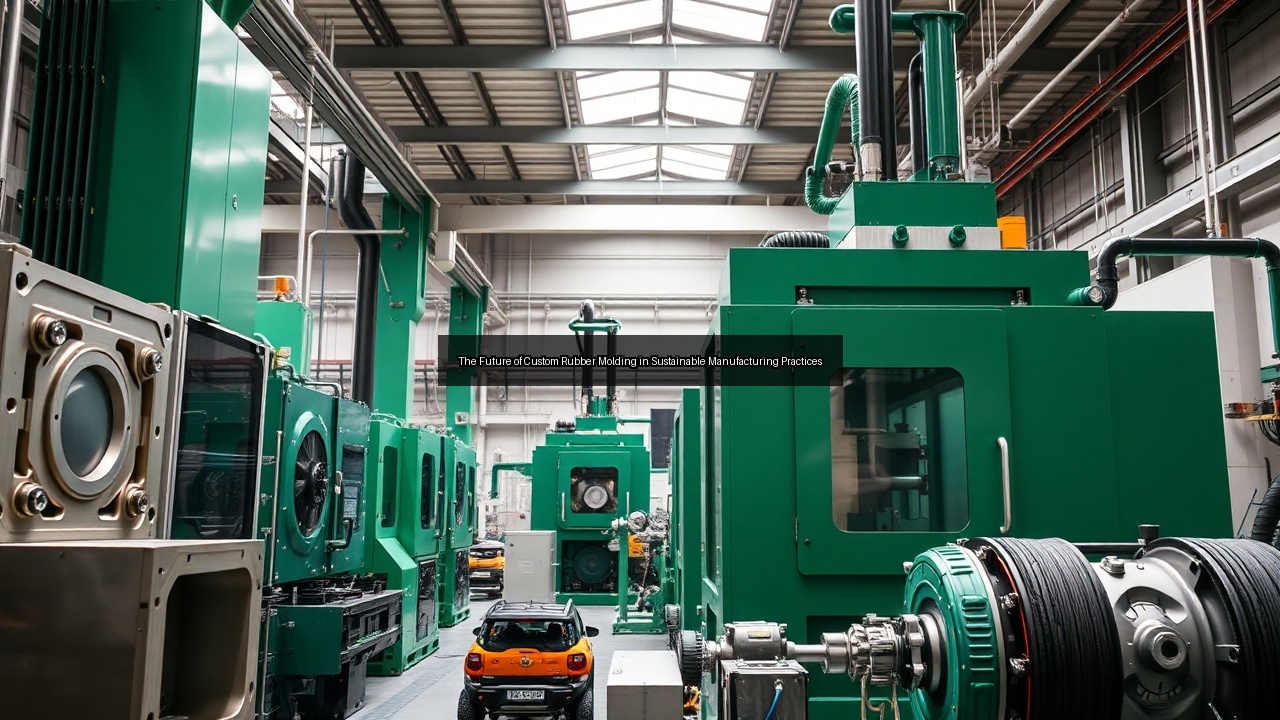
Custom rubber molding has evolved dramatically, primarily due to advancements in injection molding techniques. This method allows manufacturers to create complex rubber shapes with exceptional precision and efficiency. The introduction of multi-material injection molding enhances the flexibility of design, enabling the combination of different elastomers within a single molded part. This innovation not only optimizes the functional properties of the product but also reduces material waste, as manufacturers can utilize varying rubber compounds tailored to specific application needs. Improved temperature control and pressure management during the injection process further enhance the quality of the molded parts, ensuring they meet rigorous industry standards.
The Role of Compression Molding in Sustainable Practices
Compression molding plays a critical role in sustainable manufacturing practices, especially in custom rubber molding. This method involves placing rubber materials into a heated mold and allowing them to cure under pressure. The simplicity of the compression molding process minimizes energy consumption, making it an eco-friendly option for rubber part production. Manufacturers increasingly favor this technique for producing large rubber shapes like bumpers, gaskets, and vibration dampeners. Additionally, advancements in mold designs enhance efficiency and reduce cycle times, contributing to overall sustainability goals. The ability to use recycled rubber materials in compression molding further supports a circular economy within the rubber manufacturing industry.
Exploring Transfer Molding for High-Precision Applications
Transfer molding stands out for its ability to produce high-precision rubber components. In this process, rubber is heated and transferred into a closed mold where it cures under pressure. This technique ensures uniform material distribution, making it ideal for complex shapes such as bushings and grommets. The controlled environment during transfer molding minimizes the risk of defects, ensuring that tolerances are met consistently. Manufacturers in industries like automotive and medical devices benefit from this precision, as they require components that can endure rigorous operational conditions. As technology advances, the integration of smart monitoring systems during transfer molding processes will further enhance quality and efficiency.
Sustainable Manufacturing Practices in Rubber Molding
Eco-friendly Materials: The Rise of EPDM and Silicone
The shift towards sustainable manufacturing practices in custom rubber molding has led to an increased use of eco-friendly materials like EPDM (ethylene propylene diene monomer) and silicone. EPDM rubber is renowned for its durability and resistance to weathering, making it an ideal choice for outdoor applications. Its ability to withstand extreme temperatures and UV exposure makes it a favorite among manufacturers. Silicone, on the other hand, is favored for its flexibility and biocompatibility, making it suitable for medical and food applications. Both materials offer excellent performance while reducing environmental impact, aligning perfectly with the growing demand for sustainable product solutions.
Reducing Waste in the Custom Rubber Molding Process
Minimizing waste is crucial in achieving sustainability within custom rubber molding operations. Manufacturers are adopting practices that streamline the molding process, thereby reducing scrap and excess materials. Advanced design software allows for precise mold designs, ensuring optimal material use. Furthermore, recycling programs for rubber scraps and defective parts encourage the reuse of materials, significantly lowering waste levels. Innovations such as closed-loop systems for material recovery contribute to a more sustainable manufacturing cycle. By focusing on these waste reduction tactics, manufacturers not only enhance their environmental responsibility but also improve their overall cost-efficiency.
Energy Efficiency in Molding Operations
Energy efficiency has become a focal point in rubber molding operations. Manufacturers are implementing energy-saving technologies throughout the molding process, from automated machinery to smart energy management systems. These advancements allow for real-time monitoring and control of energy consumption, optimizing processes to reduce unnecessary energy expenditure. Additionally, improvements in heating technologies, such as induction heating, provide faster and more efficient ways to reach optimal molding temperatures. By prioritizing energy efficiency, manufacturers not only lower their operational costs but also contribute to a reduction in their carbon footprint, reinforcing their commitment to sustainable practices.
Quality Control and Inspection in Rubber Manufacturing
Importance of Tolerances and Specifications
Maintaining high-quality standards in custom rubber molding hinges on precise tolerances and specifications. Manufacturers must adhere to strict guidelines to ensure that each molded part meets the required performance criteria. Variations in temperature, pressure, and material composition can significantly impact the final product's quality. Implementing rigorous inspection protocols throughout the manufacturing process is essential. Utilizing advanced measurement tools and techniques, manufacturers can detect deviations early, preventing defective parts from reaching customers. Continuous training for engineering and quality assurance teams enhances their ability to uphold these standards, ensuring that every molded component fulfills both customer expectations and industry regulations.
Utilizing Clean Room Standards for Food and Medical Applications
In industries such as food processing and healthcare, adherence to clean room standards is critical for rubber manufacturing. Custom rubber molds used in these sectors must comply with stringent hygiene and safety regulations. Clean room environments minimize contamination risks, ensuring that molded rubber components, custom molding such as gaskets and seals, meet the highest quality standards. Manufacturers invest in advanced clean room technologies, maintaining controlled temperature and humidity levels throughout the molding process. This commitment to cleanliness not only ensures product safety but also enhances consumer trust in brands that prioritize quality and compliance in their manufacturing practices.
Innovative Inspection Techniques for Enhanced Quality Assurance
Modern rubber manufacturers are leveraging innovative inspection techniques to enhance quality assurance. Traditional methods of visual inspection are being supplemented with advanced technologies such as automated optical inspection (AOI) and laser measurement systems. These technologies allow for rapid and precise evaluations of molded parts, identifying defects that may go unnoticed by the human eye. Manufacturers can implement statistical process control (SPC) methods to monitor production consistency, ensuring that every batch meets quality standards. By investing in these cutting-edge inspection techniques, manufacturers elevate their quality assurance processes, resulting in higher customer satisfaction and reduced returns.
Future Trends in Custom Rubber Molding
Integrating Automation and Smart Technologies
The future of custom rubber molding lies in the integration of automation and smart technologies. Manufacturers are increasingly adopting robotics and artificial intelligence to streamline operations and enhance efficiency. Automated systems handle repetitive tasks, allowing skilled workers to focus on more complex aspects of production. Smart technologies, such as the Internet of Things (IoT), enable real-time data collection and analysis, providing insights into operational performance. This integration not only boosts productivity but also facilitates predictive maintenance, reducing downtime and ensuring consistent quality in molded products. As the industry embraces these advancements, manufacturers will remain competitive in an ever-evolving market.
The Impact of Customer-Centric Design on Customization
Customer-centric design is reshaping the landscape of custom rubber molding. Manufacturers are increasingly focusing on understanding their customers' specific needs and preferences, leading to tailored solutions that enhance user experience. The rise of 3D printing and rapid prototyping technologies allows for quicker iterations and modifications based on customer feedback. This adaptability fosters innovation, enabling manufacturers to create specialized rubber components that address unique challenges in various sectors, including automotive custom molding and packaging. By prioritizing customer-centric design in their processes, manufacturers can cultivate stronger relationships with clients and deliver products that exceed expectations.
Addressing Market Needs: Automotive, Packaging, and Beyond
The custom rubber molding industry is poised to address the diverse needs of several markets, including automotive, packaging, and beyond. Each of these sectors demands specific rubber solutions that offer durability, flexibility, and performance under various conditions. In the automotive industry, rubber components are critical for noise reduction, sealing applications, and vibration control. Packaging solutions require materials that ensure product safety while being environmentally friendly. As manufacturers adapt to these market needs, they will focus on developing innovative rubber shapes and formulations that meet the evolving demands of their customers. This proactive approach will drive growth and sustainability in the custom rubber molding sector.