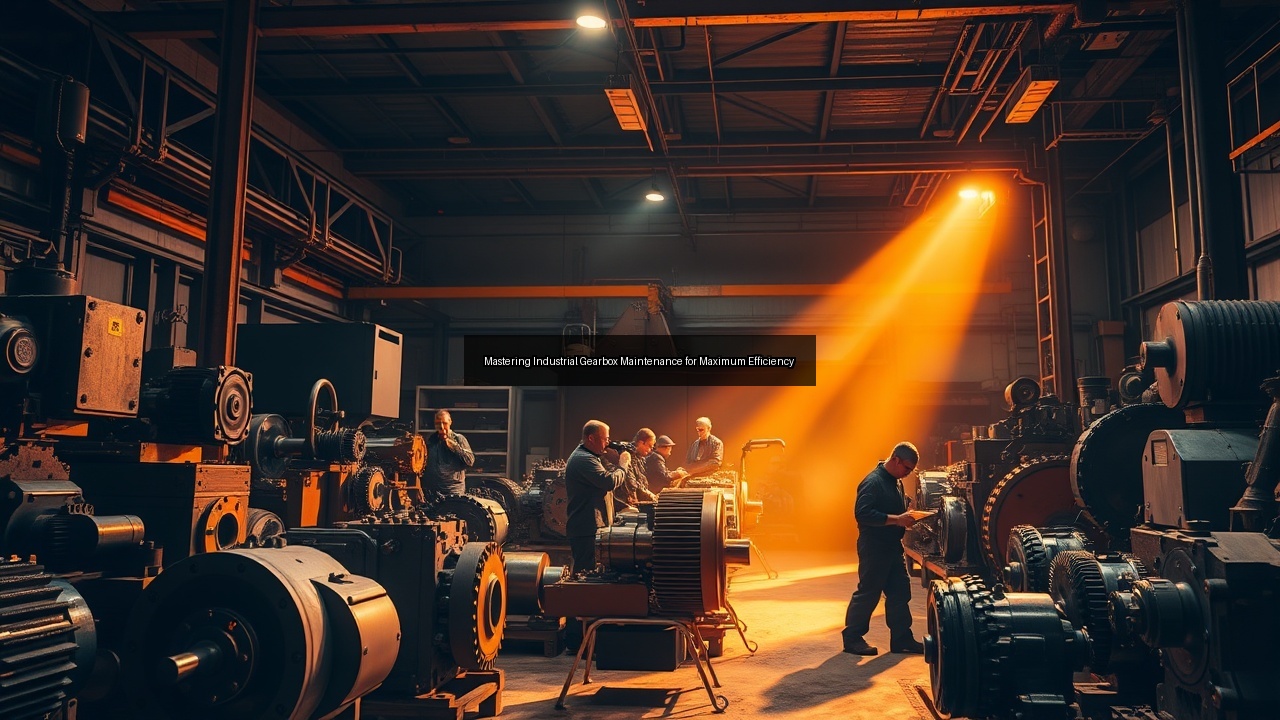
Mastering Industrial Gearbox Maintenance for Maximum Efficiency
Understanding the Importance of Industrial Gearbox Maintenance
The Role of Gearboxes in Power Transmission
Industrial gearboxes serve as the backbone of power transmission in various applications, converting input speed and torque into a desired output. These mechanical devices, consisting of gears and shafts, facilitate the effective transfer of energy between machines. In sectors ranging from manufacturing to heavy machinery, gearboxes play a crucial role in ensuring operational efficiency. Their primary function involves reducing the rotational speed while amplifying torque, making them indispensable in driving motors, conveyors, and other equipment. A well-maintained gearbox directly contributes to the overall productivity of an industrial operation, reducing the risk of unexpected downtime and costly repairs. Understanding this pivotal role emphasizes the need for diligent industrial gearbox maintenance to keep production running smoothly.
How Gear Design Affects Efficiency
The design of a gearbox significantly influences its efficiency and longevity. Gear types, such as worm gears and helical gears, each have unique characteristics affecting their performance. Worm gears, for example, provide high torque in a compact design but may have increased friction, leading to heat generation and wear. Conversely, helical gears offer smoother operation and better load distribution, enhancing overall industrial gearbox service efficiency. The choice of gearing impacts not only the immediate operational parameters but also the maintenance requirements over time. Engineers must consider these design features when developing maintenance schedules. A gearbox designed for maximum efficiency requires a proactive maintenance strategy, ensuring that the gears function optimally and that any potential issues are identified and addressed before they escalate into significant failures.
Common Causes of Gearbox Failures
Gearbox failures can result from various factors, including inadequate lubrication, misalignment, and environmental influences. Dust and debris accumulation can impede the smooth operation of gears, leading to increased wear and tear. Additionally, improper lubrication techniques can cause overheating, resulting in catastrophic failures. Misalignment of shafts and gears can also create excessive strain on components, accelerating the degradation process. Understanding these common causes allows maintenance teams to implement targeted strategies to mitigate risks. By focusing on the root causes of gearbox failures, engineers can develop comprehensive maintenance routines that not only enhance performance but also prolong the life of the gearbox, thereby reducing the frequency and cost of repairs.
Best Practices for Routine Maintenance
Essential Maintenance Tasks for Gearboxes
Implementing best practices for industrial gearbox maintenance ensures that these critical components operate efficiently and reliably. Routine maintenance tasks include regular inspections, cleaning, and adjustments. Engineers should establish a detailed schedule outlining specific tasks to be performed at regular intervals. Inspections should focus on identifying signs of wear, misalignment, or abnormal noise, which may indicate underlying issues. Cleaning gearboxes to remove dust and contaminants is vital, as these particles can lead to increased friction and wear. Additionally, maintaining proper alignment of gears and shafts is essential for optimal performance. These essential maintenance tasks form the foundation of a robust maintenance program, minimizing unexpected downtime and maximizing the efficiency of industrial operations.
Lubrication: Types and Techniques
Lubrication plays a crucial role in the maintenance of industrial gearboxes. Choosing the right type of lubricant and applying it correctly can significantly impact the performance and lifespan of gear components. Oil and grease are the two primary types of lubricants used in gearboxes. Oil provides excellent coverage and cooling properties, making it suitable for high-speed applications. Grease, on the other hand, is ideal for applications where leakage could be an issue, offering superior adhesion and protection against contaminants. Employing proper lubrication industrial gearbox service techniques, such as ensuring appropriate viscosity and temperature ranges, is essential for reducing friction and wear. Regularly monitoring lubricant levels and conditions can help maintenance professionals identify potential problems early, allowing for timely interventions that prevent costly gearbox failures.
Vibration Analysis as a Diagnostic Tool
Vibration analysis serves as a powerful diagnostic tool in industrial gearbox maintenance. By measuring the vibration patterns of gearboxes, engineers can identify abnormalities that may indicate wear or misalignment. This non-invasive technique helps pinpoint potential issues before they escalate into significant failures, allowing for proactive maintenance strategies. Regular vibration monitoring can assist in establishing a baseline for normal operational conditions, making it easier to detect deviations that signal problems. Maintenance teams can integrate vibration analysis into their routine checks, ensuring they gather valuable data that informs maintenance decisions. By utilizing this technology, organizations can enhance the reliability of their gearboxes, significantly reducing the risk of downtime and associated costs.
Advanced Technologies in Gearbox Maintenance
The Impact of Environment on Gearbox Longevity
The operating environment plays a significant role in determining the lifespan of industrial gearboxes. Factors such as temperature, humidity, and exposure to dust or corrosive substances can severely affect gearbox performance. High temperatures can lead to accelerated wear, while excessive humidity can promote rust and corrosion, compromising the integrity of gears and bearings. Implementing protective measures, such as sealing gearboxes and utilizing environmental controls, can enhance longevity. Additionally, regular monitoring of environmental conditions helps maintenance teams anticipate potential challenges. By acknowledging the impact of the environment on gearbox performance, organizations can tailor their maintenance strategies to address these external factors, ensuring their gearboxes operate at peak efficiency for an extended period.
Using Technology to Monitor Gear Performance
Advancements in technology have transformed the landscape of industrial gearbox maintenance. Modern monitoring systems enable real-time tracking of gearbox performance metrics, such as temperature, vibration, and load conditions. These systems facilitate data collection and analysis, allowing engineers to make informed decisions regarding maintenance and repairs. Predictive maintenance strategies leverage this data to anticipate failures before they occur, minimizing unplanned downtime and maximizing operational efficiency. Moreover, integration of the Internet of Things (IoT) allows for remote monitoring and alerts, providing maintenance teams with immediate insights into gearbox health. By embracing these technologies, organizations can significantly enhance their maintenance practices, ensuring their gearboxes remain reliable and efficient over time.
The Future of Gearbox Maintenance in Engineering
The future of industrial gearbox maintenance lies in the continuous evolution of technology and engineering practices. As industries increasingly adopt automation and smart systems, the role of gearboxes will continue to grow in complexity and importance. Engineers will need to stay ahead of innovations in materials and design, focusing on sustainability and efficiency. The integration of artificial intelligence and machine learning could revolutionize maintenance routines, enabling predictive analytics to become even more accurate. Additionally, advancements in materials science may lead to the development of gear components that are more resilient to wear and environmental factors. Preparing for these changes will be essential for organizations striving to maintain their competitive edge in an ever-evolving industrial landscape.