Exploring Innovations in Hydrostatic Testing for Chemical and Gas Industries
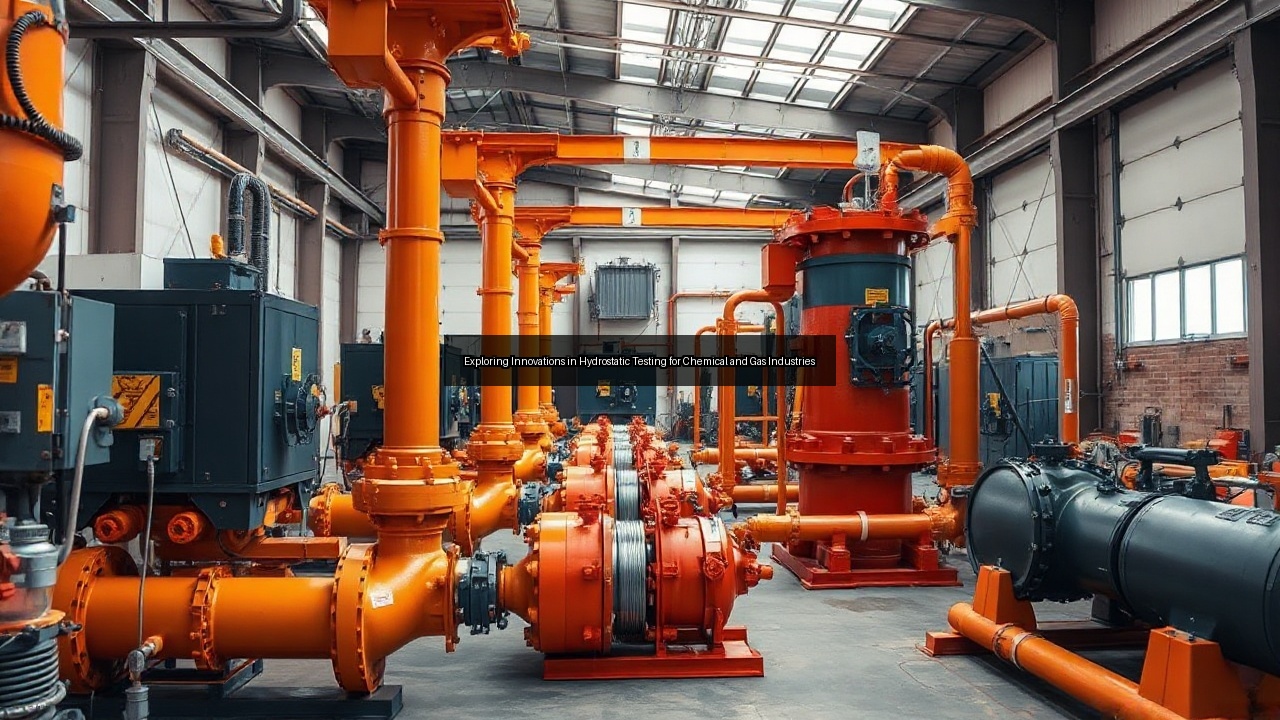
Understanding Hydrostatic Testing in the Chemical and Gas Industries
What is Hydrostatic Testing?
Hydrostatic testing applies controlled pressure to vessels, pipelines, and systems using liquid to verify structural integrity. Technicians fill the equipment with water or another incompressible fluid, then raise the internal pressure above normal operating levels. This process reveals leaks, weak seams, or material defects before the asset enters service. In chemical and gas operations, hydrostatic testing companies perform these checks on storage tanks, reactors, and transport lines that handle corrosive or flammable substances. The method relies on precise gauges and pumps to maintain steady pressure for a set duration, often several hours. Records from each test document the pressure readings and any pressure drops, which indicate potential failures. Operators use these results to decide whether repairs or replacements are necessary before resuming production.
Importance of Hydrostatic Testing in Safety Management
Safety management in chemical and gas facilities depends on reliable verification that equipment can withstand design pressures without rupture. Hydrostatic testing identifies defects that could release toxic gases or ignite fires, protecting workers and nearby communities. Regular testing intervals align with industry standards and insurance requirements, reducing downtime from unexpected failures. Hydrostatic testing companies document every step, creating audit trails that regulators review during inspections. When pipelines carry high-pressure fluids across long distances, even small weaknesses can escalate into major incidents. Consistent hydrostatic pressure testing therefore forms a core element of risk mitigation programs. Facilities that integrate these tests into routine maintenance schedules report fewer leaks and lower incident rates over time.
Overview of Hydrostatic Pressure Testing Procedures
Hydrostatic pressure testing begins with thorough cleaning of the system to remove debris that could mask leaks. Technicians isolate sections with valves or blinds, then fill the line or vessel completely with liquid while venting all air pockets. Once filled, they connect calibrated pumps and gradually increase pressure to the specified test level, typically 1.5 times the design pressure. Monitoring continues throughout the hold period, with temperature corrections applied because fluid expansion affects readings. At the end, pressure is released slowly to avoid shock to the system. Hydrostatic testing companies record every parameter and issue formal reports that include pass or fail determinations. This structured approach ensures repeatable results across multiple sites and different equipment types.
Innovations in Hydrostatic Testing Technologies
Advanced Equipment Used in Hydro Testing
Modern hydrostatic testing companies deploy digital pressure transducers, automated data loggers, and high-capacity pumps that deliver precise flow rates. These tools replace older analog gauges that required manual interpretation. Portable units now allow testing in remote pipeline locations without heavy support equipment. Some firms use corrosion-resistant pumps designed specifically for chemical service, where aggressive fluids might otherwise damage standard hardware. Wireless sensors transmit real-time pressure and temperature data to central control rooms, enabling immediate response if anomalies appear. Laser alignment tools also help technicians position test manifolds accurately on large-diameter pipelines. The combination of these devices shortens setup time while improving measurement accuracy during every hydrostatic pressure test.
Integration of Automation in Hydrostatic Testing
Automation has transformed how hydrostatic testing companies execute procedures. Programmable logic controllers manage pump speed and pressure ramp rates according to preloaded test sequences. Software platforms capture continuous data streams and flag deviations without human oversight. Field crews connect a laptop or tablet to the test skid, start the cycle, and receive automated alerts if pressure falls outside tolerance. This approach reduces operator fatigue and minimizes transcription errors in long-duration tests. In the oil and gas industry, automated systems also generate compliance reports that integrate directly with asset management databases. Companies that adopt these platforms complete more tests per shift while maintaining consistent quality across multiple construction projects.
Comparative Analysis: Pneumatic vs. Hydrostatic Testing
Pneumatic testing uses compressed gas such as nitrogen, while hydrostatic testing relies on liquid. Gas testing carries higher stored energy, so any rupture releases far more destructive force. Hydrostatic testing companies therefore prefer liquid methods for most pipelines and pressure vessels because water absorbs energy and limits damage if failure occurs. Pneumatic tests remain useful for systems that cannot tolerate residual moisture, yet they require stricter safety perimeters and additional mechanical testing of joints after welding. Hydrostatic methods also detect smaller leaks more readily since liquid does not compress like gas. Operators weigh these factors when selecting the appropriate technique for each asset in chemical or gas service.
The Role of Hydrostatic Testing Companies in the Oil and Gas Sector
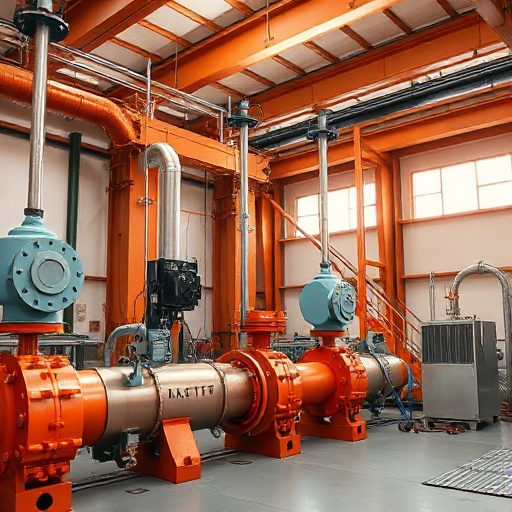
Leading Hydrostatic Testing Firms and Their Services
Hydrostatic testing companies in the oil and gas industry offer end-to-end support that includes equipment mobilization, test procedure development, and final certification. Many maintain fleets of pumps, manifolds, and data acquisition systems sized for both small-diameter lines and large transmission pipelines. Some firms specialize in high-pressure applications above 10,000 psi, while others focus on low-pressure storage tanks. Leading providers also supply trained technicians who understand chemical compatibility and fluid disposal regulations. Clients receive detailed reports that satisfy both internal engineering reviews and external regulatory submissions. These companies often partner with construction contractors to schedule tests around welding and coating activities, keeping projects on schedule.
Case Studies: Successful Hydrostatic Testing in Pipeline Construction
During a recent major pipeline construction project, hydrostatic testing companies verified over 200 kilometers of new line in segments. Each section underwent filling, pressurization, and a 24-hour hold period. Technicians identified and repaired three minor weld defects before backfilling, preventing future leaks. Another case involved an existing gas gathering system where repeated pressure drops during testing revealed corrosion under insulation. The company replaced affected joints and retested successfully. These examples demonstrate how systematic hydrostatic pressure testing protects both new construction and aging infrastructure. Project managers credited the testing firm’s rapid mobilization and accurate documentation for keeping the overall schedule intact.
Criteria for Selecting a Hydrostatic Testing Company
Operators evaluate hydrostatic testing companies based on equipment capacity, safety record, and familiarity with local regulations. Experience with similar pipeline diameters and pressure ratings ranks high on selection checklists. Clients also review past validation reports to confirm the firm produces clear, traceable data. Insurance coverage and technician certifications provide additional assurance. Firms that maintain relationships with chemical disposal services earn preference because they handle wastewater responsibly after each test. References from previous oil and gas projects help decision makers compare performance on tight construction timelines. The best companies demonstrate both technical competence and clear communication throughout the engagement.
Challenges and Solutions in Hydrostatic Testing
Common Challenges Faced in Hydro Testing
Weather extremes, remote locations, and limited water sources complicate hydrostatic testing on many chemical and gas sites. Temperature swings alter fluid volume and pressure readings, requiring constant compensation. Large-diameter pipelines demand enormous water volumes that strain local supplies. In some regions, disposal of test water containing trace chemicals triggers additional permitting. Weld imperfections or gasket issues discovered late in the process force rework that delays commissioning. Hydrostatic testing companies address these issues by pre-staging equipment and coordinating with environmental teams early in the project planning phase.
Innovative Solutions for Enhanced Hydrostatic Testing Efficiency
Some hydrostatic testing companies now use closed-loop water treatment units that filter and reuse test fluid on site. This reduces both sourcing and disposal volumes. Portable nitrogen boosters allow hybrid tests when full hydrostatic methods are impractical. Advanced leak detection cameras identify seepage points without depressurizing the entire system. Scheduling software optimizes crew deployment across multiple pipeline segments, cutting mobilization costs. These innovations improve throughput while maintaining the rigorous safety standards demanded by the oil and gas industry.
Regulatory Compliance and Validation Processes
Regulatory bodies require documented evidence that every pressure-containing component meets design specifications. Hydrostatic testing companies follow standardized procedures that include calibrated instruments, witnessed tests, and signed certificates. Validation extends beyond the pressure hold to cover material traceability and post-test inspections. In the chemical sector, additional scrutiny applies to systems handling hazardous fluids. Firms maintain quality management systems that align with ISO requirements and client-specific audit protocols. Consistent compliance reduces the risk of operational shutdowns and supports long-term asset integrity programs.
Future Trends in Hydrostatic Testing for Energy and Aerospace
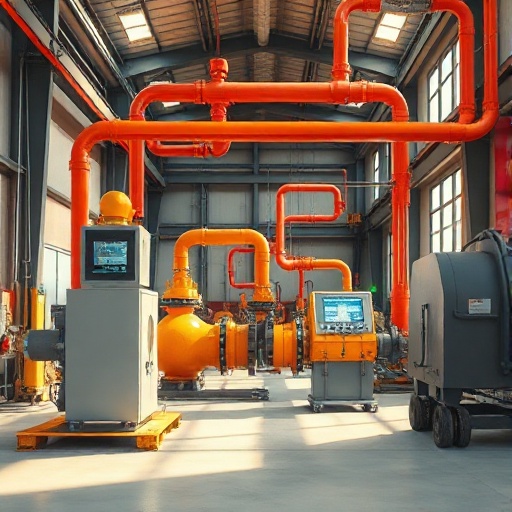
Emerging Technologies in Hydrostatic Pressure Testing
New sensor arrays and machine-learning algorithms are entering hydrostatic pressure testing workflows. These tools analyze pressure decay patterns to predict remaining service life rather than simply pass or fail a test. Drones equipped with thermal cameras inspect elevated piping during tests, reducing the need for scaffolding. Hydrostatic testing companies experiment with non-destructive additives that fluoresce under UV light to highlight micro-leaks invisible to standard methods. Such advances promise faster turnaround and more detailed condition assessments for pipelines and pressure vessels.
The Impact of Renewable Energy on Hydro Testing Practices
Renewable energy projects introduce new equipment types that still require hydrostatic validation. Hydrogen pipelines, for example, demand stricter leak criteria because of the gas’s small molecular size. Hydrostatic testing companies adapt procedures to accommodate these materials while managing different fluid compatibilities. Offshore wind installations use large foundation structures that undergo pressure tests before deployment. The energy transition therefore expands the scope of services offered by testing firms beyond traditional oil and gas applications.
Future of Hydrostatic Testing in Aerospace Applications
Aerospace manufacturers apply hydrostatic testing to fuel tanks, hydraulic lines, and pressure vessels in both aircraft and spacecraft. The industry favors lightweight composite materials that behave differently under pressure than metals. Hydrostatic testing companies serving this sector develop low-pressure, high-accuracy methods that protect delicate structures. Future vehicles, including reusable launch systems, will require repeated testing between flights. Advances in automated data collection and rapid test cycling will help meet the demanding schedules of aerospace production and maintenance programs.
See Also
- The Best Practices Adopted by Leading Hydrostatic Testing Experts
- A Comprehensive Guide to Choosing the Right Hydrostatic Testing Firm
- Top Hydrostatic Testing Companies Leading the Charge in Fluid Validation
- Why Hydrostatic Testing is Crucial for Aerospace and Vehicle Safety
- How Hydrostatic Testing Companies Ensure Safety in Pipeline Management